Textile recycling means giving discarded fabric, offcuts, and unwanted clothing a second life as something new — at the small-business scale, that often takes the form of patchwork, weaving, knotted fibre work, or upcycled accessories. At Beige Knot, textile recycling is structural to the work: many pieces use saved offcuts and reclaimed fabric instead of newly bought cord, which means each piece consumes less raw material than its conventional equivalent.
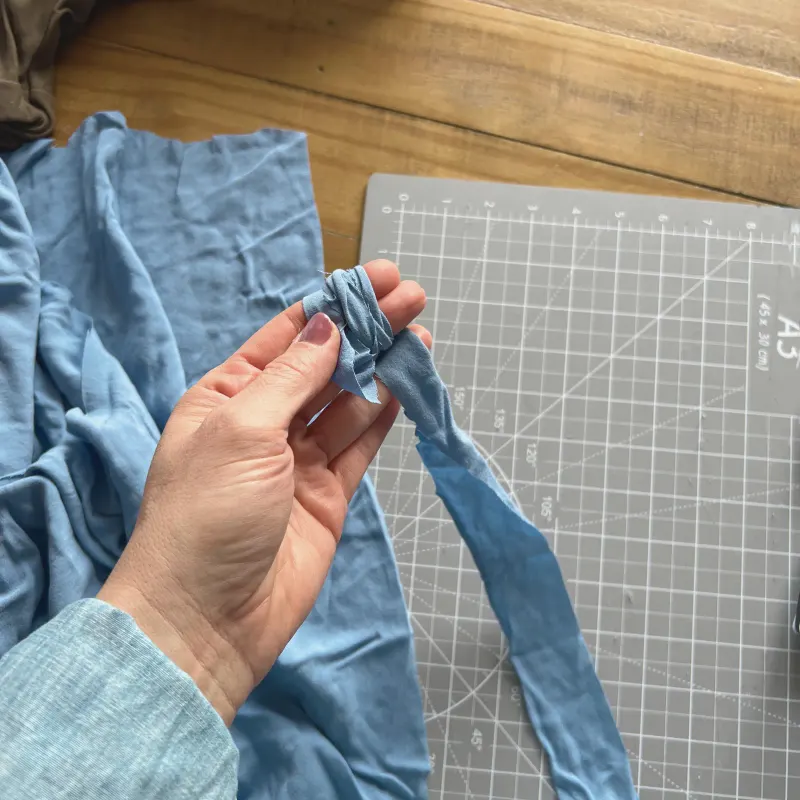
At Beige Knot, handmade work is rooted in care — care for materials, for process, and for the story behind each piece. That is why textile recycling matters so much to the way I create. Offcuts, unwanted fabrics, and overlooked materials can all hold potential. What may seem like waste at first glance can become texture, structure, colour, and character in a new handmade design.
Reusing textiles is not only about reducing waste. It is also about changing the way we value materials. In a small creative business, nothing is anonymous. Every strip of fabric is handled, selected, tested, and transformed by hand. A once-forgotten textile can become part of a woven detail, an embellishment, a fibre-based artwork, or inspiration for a new collection. This slower approach encourages intention and helps move away from the disposable mindset that creates so much waste in the first place.
Small businesses have a powerful role to play here. While they may not operate at industrial scale, they can lead through creativity, transparency, and everyday choices. Independent makers are often more flexible in how they source materials, experiment with reuse, and educate customers about the value of handmade work. They can show that sustainability is not only about perfection — it is about thoughtful progress, one piece at a time.
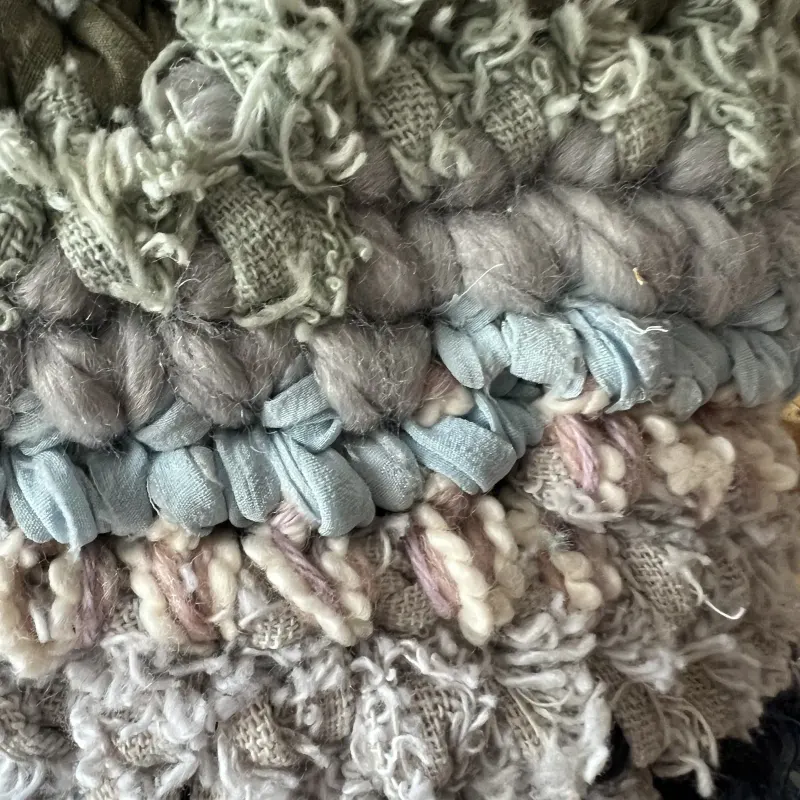
Textile recycling also brings a unique beauty to handmade design. Reclaimed fabrics often carry softness, depth, and irregularity that new materials do not. They add a lived-in quality and a sense of individuality, making each piece feel even more personal. In a world of mass production, that uniqueness matters.
For customers, supporting small handmade businesses is one simple but meaningful way to be part of the solution. Choosing consciously made items, valuing craftsmanship, and appreciating reused materials all help encourage a more responsible creative economy. It is not just about buying less — it is about buying better, and understanding the care behind what we bring into our homes and lives.
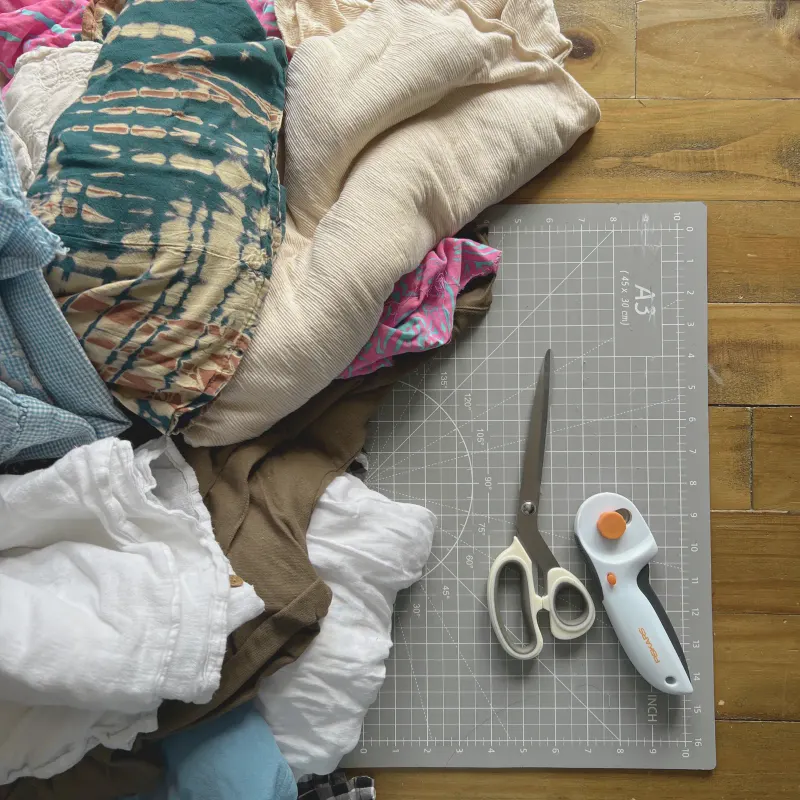
Beyond the bin, there is another possibility for textiles: renewal. There is a second life in fabric scraps, old cloth, and forgotten fibres. And often, it is small businesses, artists, and makers who are best placed to see it first.
At Beige Knot, that belief continues to shape the creative process — finding beauty in texture, purpose in materials, and new stories in what might otherwise be thrown away.
#TextileRecycling #SlowCraft #BeigeKnot #HandmadeUK #FibreArt #CreativeBusiness
If you enjoy seeing blogs like beyond the bin, follow along on Instagram, Pinterest, and Facebook — and explore the latest work in the shop.